

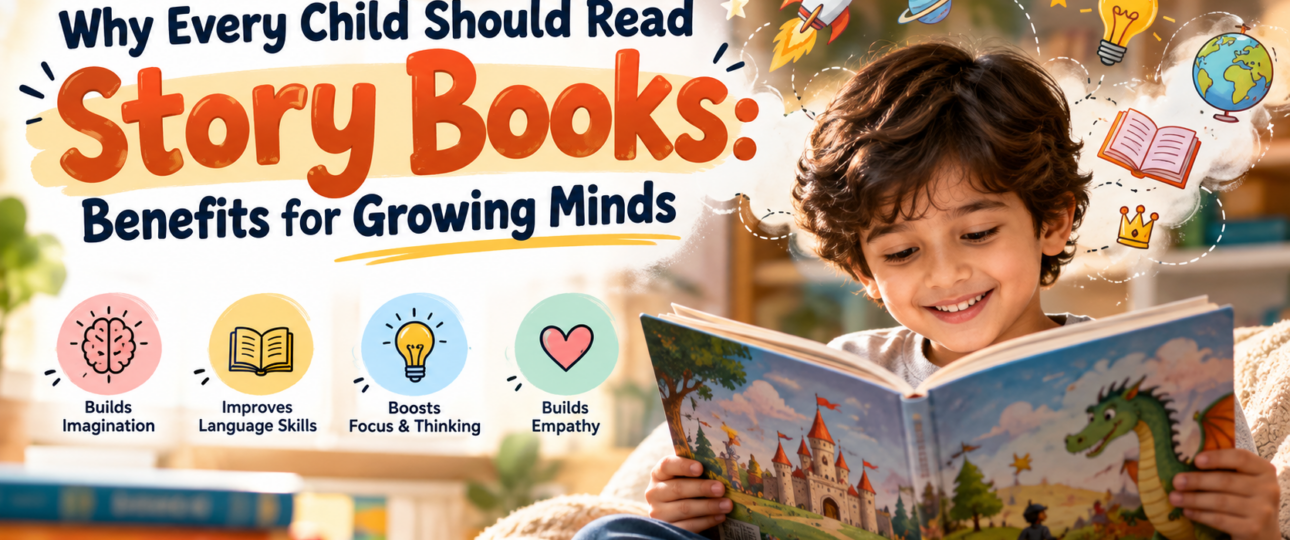
Childhood is full of big discoveries and fun moments. Today, bright screens easily grab a child’s attention. Yet, one very simple daily habit still does the best job of helping a young brain grow. Sitting down to share a good book gives kids a truly amazing head start in life.
Importance of Story Books for Children

Reading before bed is not just a trick to help kids fall asleep. It builds a warm and safe bond between you and your child. It gives both of you a quiet chance to connect after a busy day. When kids listen to a tale, different parts of their brain wake up and link together. Child experts explain that this daily habit changes how toddlers think and act with others. Let us look at the real ways these pages support healthy brain growth.
Building Language Skills Naturally
Babies soak up sounds long before they learn their letters. Studies show that listening to someone read wakes up the brain areas used for understanding language. Hearing a parent speak gives kids a natural feel for grammar and sentence flow. They easily learn the rules of talking just by paying attention. You can make this even better by pointing at pictures and asking easy questions. Letting your toddler turn the pages also helps much more than just reading straight to the end.
Helps in Growing Vocabulary
Daily chats at home usually stick to the same basic words and simple directions. Books bring a huge mix of fresh words into a young world. A 2019 Ohio State University study found that kids who get a daily book hear hundreds of thousands more words by kindergarten. Kids who listen to five books a day can hear over a million extra words.
- Learning rare words: Authors use fun, descriptive terms that we rarely say in normal life.
- Understanding context: Toddlers figure out what words mean by seeing how they fit into the picture.
- Talking clearly: A bigger vocabulary lets kids share their exact thoughts without getting upset.
How Reading Sparks Imagination and Creativity
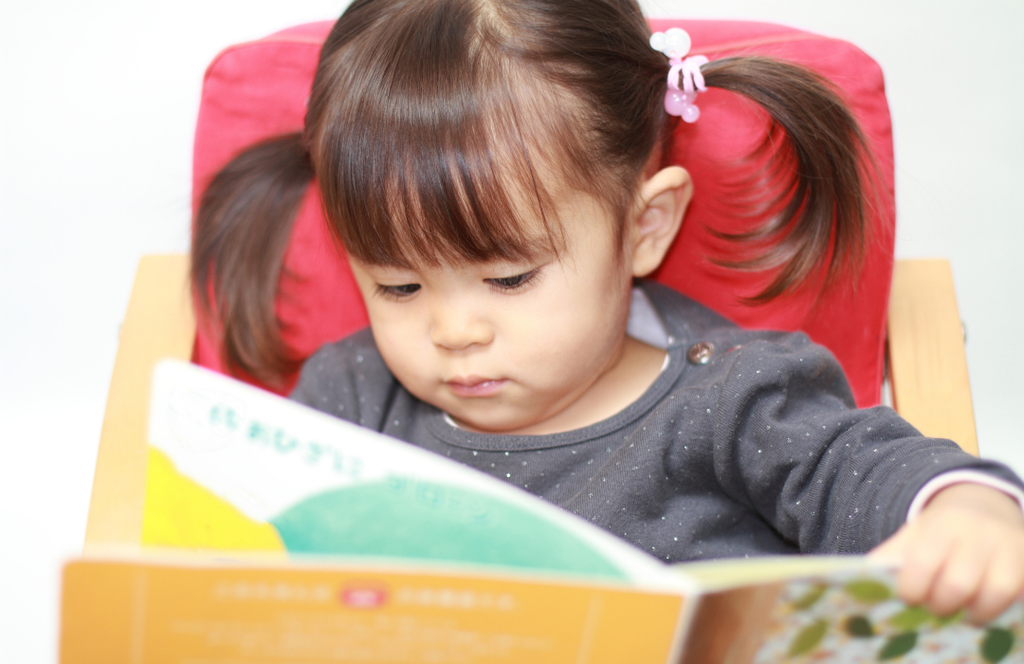
Watching a cartoon takes very little mental effort. The screen gives them every color, sound, and face. Listening to a book is very different. The child has to build the whole picture in their own mind. They get to decide what the hero sounds like and how the forest looks. This mental workout strengthens their ability to picture things. Kids who practice creating images in their heads usually grow up to be great at solving problems.
Stories Teach Kids About Emotions
Growing up is hard work, and toddlers do not always know how to handle big feelings. Books give them a safe space to figure out these tricky emotions. Seeing a character get mad about a broken toy shows a child that feeling upset is perfectly fine. Child experts often use picture books to help young ones deal with tough life events. By watching characters deal with sadness or fear, kids learn how to name and control their own moods.
Learning Empathy Through Characters
Empathy means truly understanding what someone else is going through. Studies show that reading actually makes people care more about others. As kids follow a character on an adventure, they see the world from a new point of view. They learn to care about people who look different or face totally different struggles. This daily habit creates kind children who treat their friends and family much better in real life.
Better Focus and Attention Span
Fast videos make it harder for kids to pay attention for very long. Sitting down with a good book offers a great fix for this modern problem.
- Holding focus: Getting through a whole chapter requires a kid to sit calmly and focus on one thing.
- Waiting for the end: Books force the listener to wait patiently until the final page to see what happens.
- Growing patience: Tracking a long plot trains the brain to stay interested without flashing lights and fast sounds.
Reading Improves Memory and Thinking Skills
Following a story takes a lot of mental work. Kids have to remember who each character is and recall what happened three pages ago. They also have to figure out how early clues solve the final problem. This constant brain workout builds a very strong memory. Experts note that this type of logical thinking helps students do much better later in math and science. Their young minds get used to holding and sorting out complex details.
Books as a Healthy Escape From Screens
Spending hours on tablets is often tied to bad sleep and poor behavior. Physical pages give kids a much better way to relax. Here is why printed books are a smarter choice for quiet time:
| Feature | Screen Time (Tablets/TV) | Book Time (Reading) |
| Brain Activity | Kids absorb fast images without thinking much. | Kids actively picture scenes and think about the plot. |
| Effect on Sleep | Bright blue light can block hormones needed for rest. | The quiet activity naturally relaxes the mind for sleep. |
| Pacing | Flashing scenes can easily cause mental stress. | The slow pace acts as a great lesson in waiting. |
| Eye Health | Staring at bright pixels can lead to tired eyes. | Looking at plain paper in good light is safe for vision. |
Common Mistakes Parents Make With Reading Time
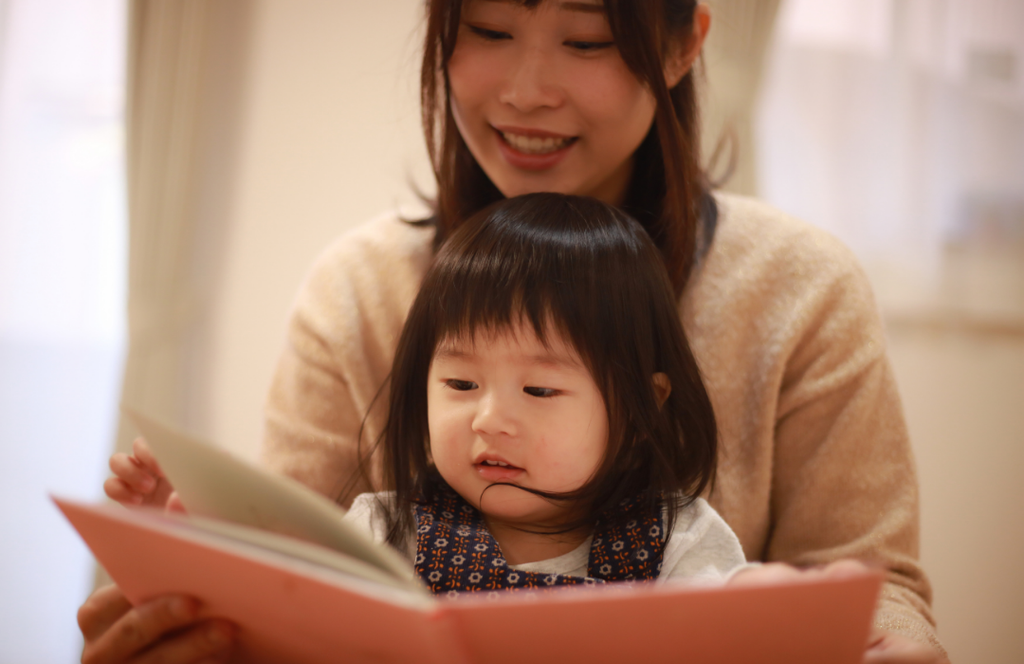
How parents handle this daily activity matters a lot. Avoid these common mistakes to keep the experience fun and deeply engaging:
- Stopping the habit early: The biggest brain boosts happen before age six, but do not stop reading aloud just because your child learned how. Sharing advanced plots keeps your emotional bond very strong.
- Picking the wrong format: Giving a baby a paper book or a toddler a long novel causes stress. Grab thick board books for babies, picture stories for toddlers, and save the chapters for older kids.
- Turning it into a quiz: Asking constant questions about hard words ruins the fun. Let the talk happen naturally without making it feel like a school test.
- Pushing through tired moments: Forcing a sleepy child to stay awake for one more page will make them hate the activity.
- Thinking it costs too much money: You do not need to buy everything brand new. Local libraries have endless free options, making it easy to keep fresh pages at home.
Conclusion
Helping a child fall in love with books is a wonderful gift for their future. As experts clearly point out, this simple daily habit grows true kindness, boosts memory, and builds a massive vocabulary. It also provides a much-needed break from heavy screen time. Taking a short break every day to sit together and share a fun tale gives kids the solid emotional base they need. Find a comfortable spot, open up a fresh adventure, and enjoy watching their young mind expand.
Building a daily reading routine is easier when you have engaging tales at home. Nexus Stories offers a wonderful collection to explore. It provides a simple, trusted way to buy storybooks for children that inspire growing minds.